


Is your sales team spending more time “cleaning” spreadsheets than talking to prospects? For many manufacturing executives, ZoomInfo represents a significant investment that often hides behind a “request a quote” wall and a confusing maze of credit limits.
ZoomInfo 2026 pricing and plan breakdown
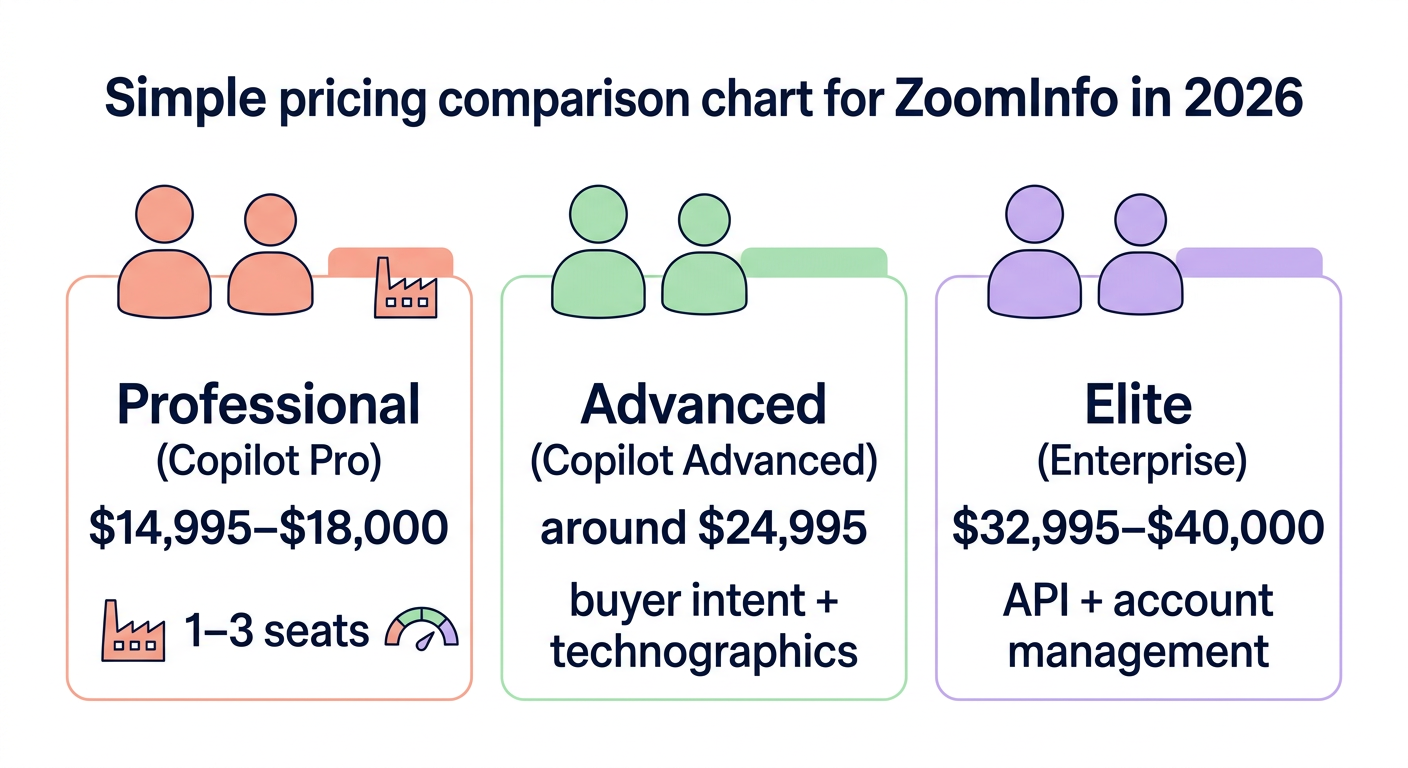
ZoomInfo does not publish its prices publicly, but 2026 market data shows that manufacturing firms should budget for a five-figure starting point. Most plans are calculated based on your seat count and the volume of data credits you intend to export. This structure often forces companies to choose between paying for seats they do not use or limiting their outreach to stay within credit caps.
- Professional (Copilot Pro): Priced between $14,995 and $18,000 annually, this entry-level package covers one to three seats. While it provides core contact data, it lacks the behavioral triggers most manufacturers need to identify active buyers.
- Advanced (Copilot Advanced): Typically costing around $24,995 per year, this tier is the standard choice for industrial sales teams. It includes turning prospect insights into sales by providing buyer intent signals and technographics to track which companies are researching specific machinery.
- Elite (Enterprise): Ranging from $32,995 to nearly $40,000 per year, this plan is designed for large-scale operations requiring custom API access and dedicated account management.
When evaluating these tiers, many executives find themselves comparing ZoomInfo and Cognism to determine which platform offers the most reliable data for European and UK market expansion.
Managing contract traps and renewal terms
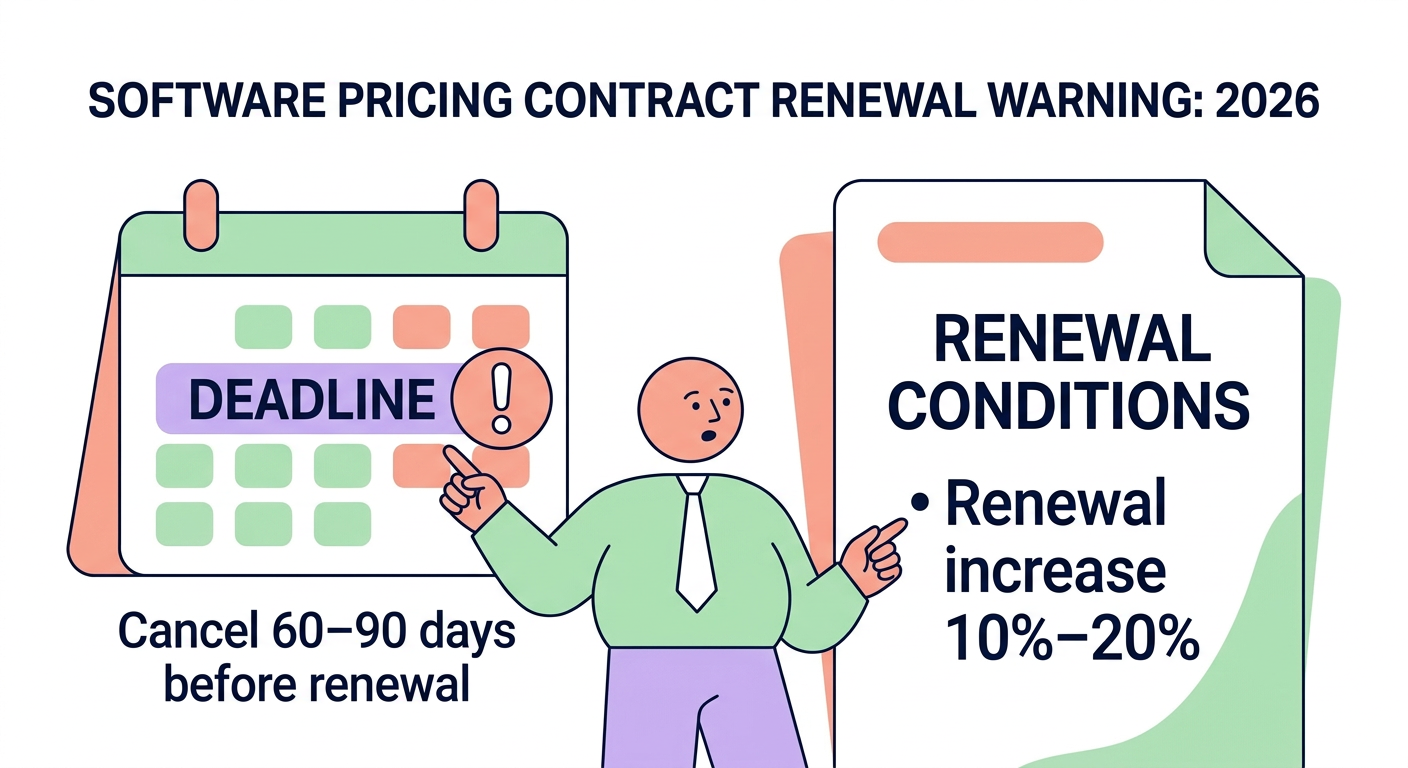
In the manufacturing world, a contract is often seen as a handshake. In the software industry, it is frequently a legal maze designed to maintain recurring revenue. ZoomInfo’s contract structure in 2026 remains strictly annual, with no monthly options available for those looking for flexibility during market testing.
The most critical factor for your CFO to monitor is the auto-renewal policy. Most standard agreements require a written cancellation notice between 60 and 90 days before the renewal date. If your team misses this window, you are legally locked into another full-year term. Furthermore, many industrial users report automatic price increases of 10% to 20% upon renewal, which can significantly alter the ROI of the tool over time.
Identifying hidden costs and the “ops” tax
The sticker price of a ZoomInfo license is rarely the total cost of ownership. To generate a real return, you must account for the operational resources required to manage the data. Each contact export costs one credit; if your team targets 500 companies with multiple decision-makers, you can exhaust your annual allocation in just a few months. A typical 5,000-credit top-up can cost an additional $3,000, creating an unpredictable budget for high-growth firms.
Implementation and daily management also represent a significant time sink. It takes roughly 10 to 20 hours of operational time per month just to ensure the data flows correctly into your CRM and to filter out irrelevant leads. Consequently, many firms find they need to hire a RevOps manager, with salaries often ranging from £35,000 to £50,000, just to keep the system functional. If these overheads are becoming a burden, it may be time to look into budgeting for autonomous outreach using flat-rate models.
Why data alone is not enough in 2026
By 2026, simply owning a database of phone numbers is no longer a competitive advantage. Your competitors likely have access to the same lists. The primary bottleneck for manufacturers is no longer finding the contact, but the manual labor of outreach. Traditional databases give you the “gas,” but your sales reps still have to drive the car by spending hours researching plant locations and writing individual emails.
Tools like the Lusha vs ZoomInfo comparison highlight that while data accuracy is important, it does not solve the problem of inbox deliverability or personalization. If your team sends generic messages from a massive database, you risk damaging your domain reputation and missing the decision-makers who actually sign off on six-figure equipment deals.
Moving from static databases to AI Autopilot
Instead of paying high annual fees for a database that your team has to manually manage, modern manufacturing firms are shifting to autonomous solutions. Sera’s AI-driven outreach acts as a human-supervised “AI employee” that doesn’t just provide a list – it executes the work. Our Autopilot system uses six specialized AI agents to handle the entire prospecting lifecycle without the need for constant human intervention.
The process begins with our List Building Agent, which sources targets from a database of over 1 billion professionals, followed by a Research Analyst that scans the web for buying signals like new factory openings or press releases. To ensure a professional touch, our Outreach Writer crafts researched, multilingual outreach pricing that feels authentic in over 100 languages. Finally, a Deliverability Guard monitors your sender reputation to ensure your messages land in the inbox.
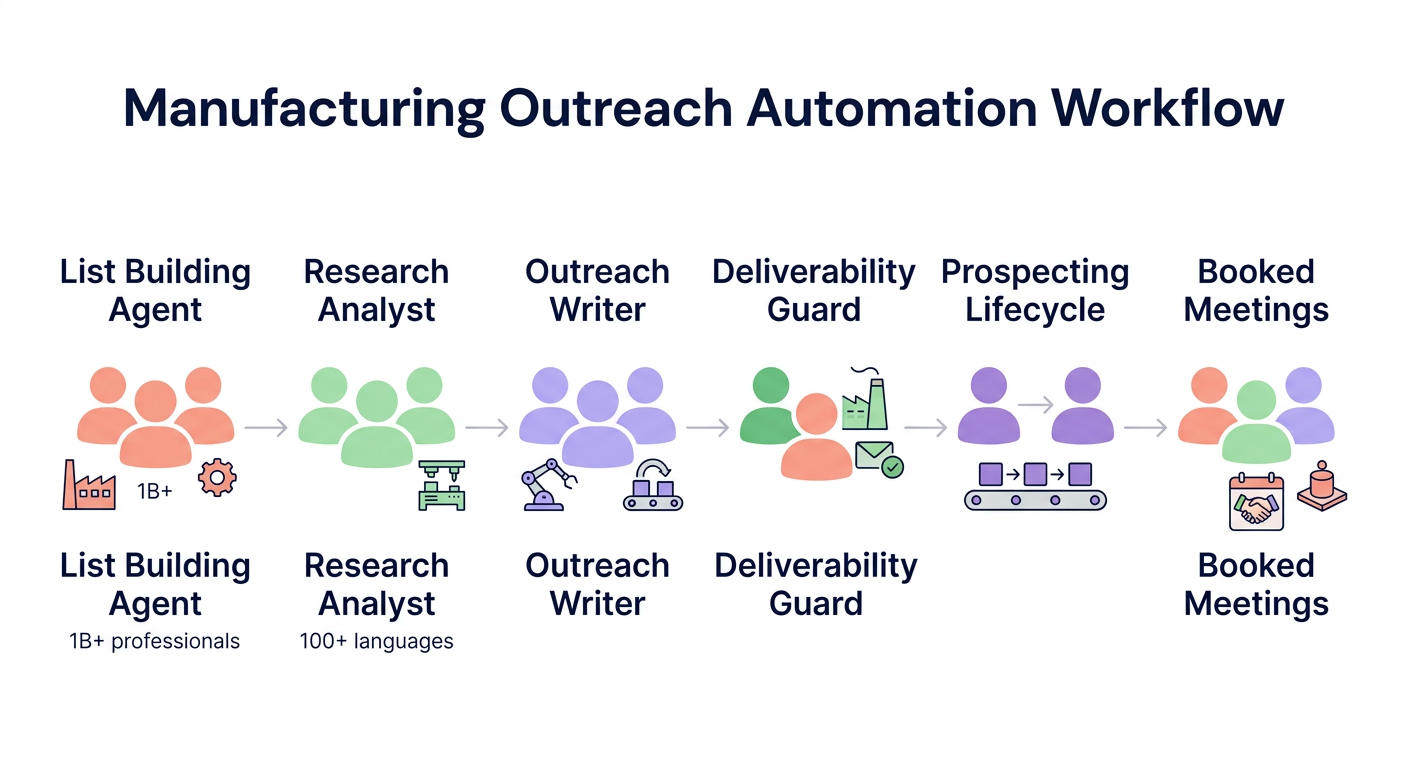
While traditional tools provide you with a spreadsheet, our service delivers booked meetings. You can even receive five verified leads and personalized messages for free in under three minutes to test the quality of our AI agents. Stop paying for data you don’t have time to use and start focusing on the deals that move your business forward.
Discover how Sera’s AI agents can automate your manufacturing outreach today.