


Are you tired of paying for massive B2B databases that your sales team still has to manually sort through? While ZoomInfo and Cognism remain the industry giants in 2026, choosing the wrong one can waste thousands of dollars in unused credits or poor data quality.
Choosing between enterprise data and international accuracy
If your manufacturing company focuses primarily on the North American market, ZoomInfo offers deep enterprise firmographics and extensive organizational charts. It provides over 300 million contacts and real-time intent signals across 5,000 topics. For teams that need to map out complex parent-subsidiary relationships in heavy industry, this depth is often a deciding factor. However, the platform often requires a dedicated RevOps specialist to manage its complexity and credit-based pricing. You can find more details in our ZoomInfo review 2026 regarding its suitability for large-scale operations.
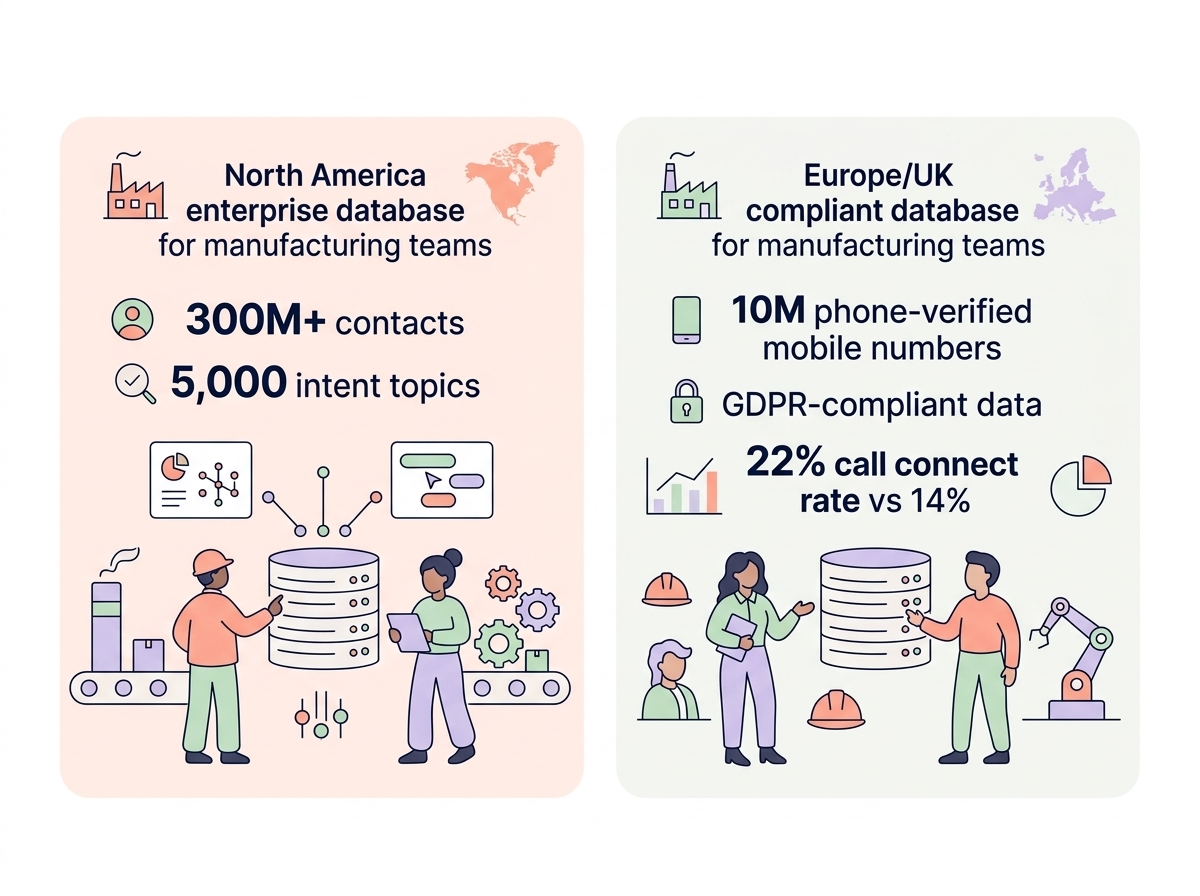
Cognism has carved out a distinct advantage for companies expanding into Europe or the UK. It emphasizes GDPR-compliant data and provides 10 million phone-verified mobile numbers known as Diamond Data®. These verified contacts lead to a 22% call connect rate, which is significantly higher than the 14% typically seen with ZoomInfo. Our Cognism review 2026 highlights how its flat per-user pricing model makes it more predictable for mid-market manufacturing teams that want to avoid the “credit punishment” of other platforms.
Understanding the hidden operational costs
Both platforms provide high-quality data, but they still represent a manual burden for your sales team. Whether you choose ZoomInfo for its US depth or Cognism for its European compliance, your staff still has to build the lists, write the emails, and manage the follow-ups. In 2026, simply owning a database is no longer enough to win new business because inbox providers like Gmail and Microsoft have implemented stricter defenses against bulk outreach.
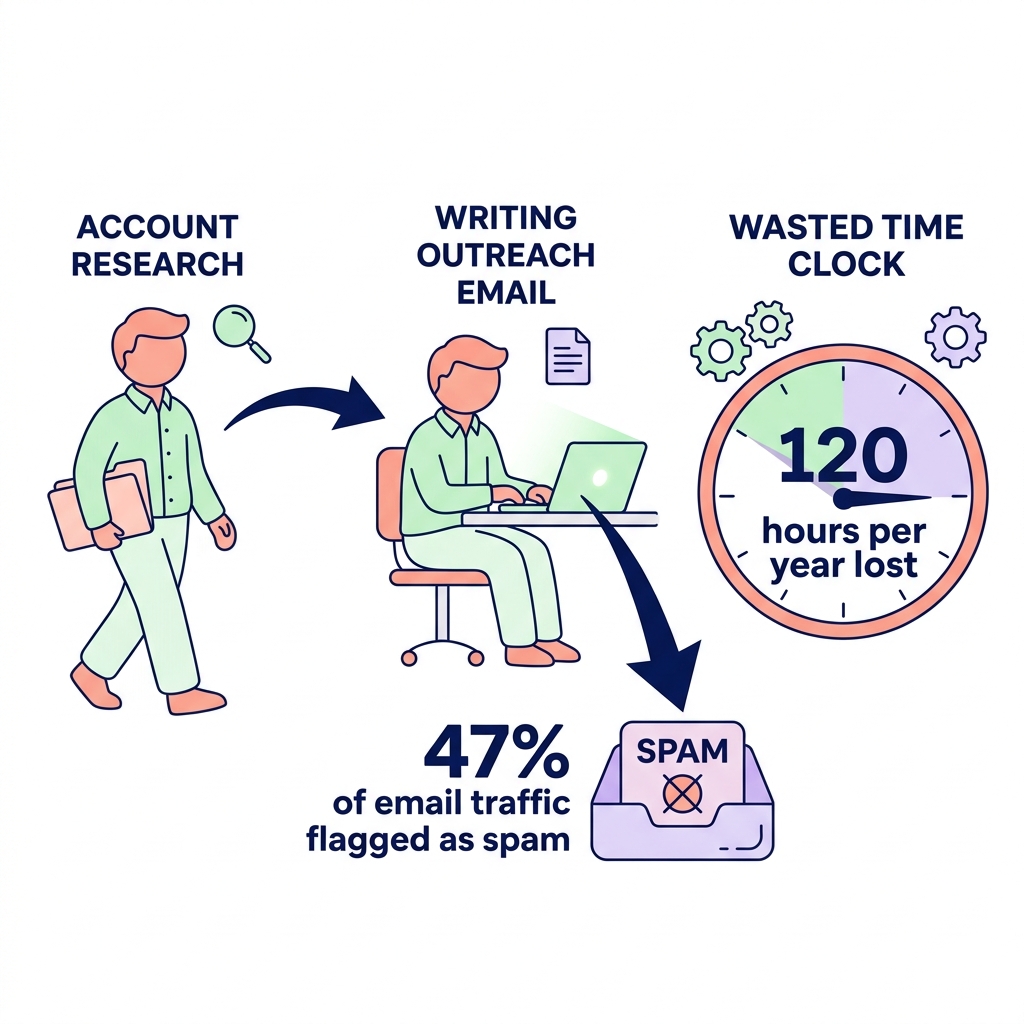
Even with the best data, roughly 47% of all email traffic is flagged as spam. This means your technical sales staff might spend hours researching accounts and writing messages only to have them land in a junk folder. While a Cognism vs Lusha 2026 comparison might show differences in data volume, both tools leave the “manual gap” of research and execution entirely on your shoulders. Many manufacturers find that their highly paid engineers or sales reps are wasting 120 hours per year on administrative prospecting tasks rather than closing deals.
Moving from manual databases to autonomous outreach
The major shift in 2026 is the move away from managing databases and toward using an AI-driven sales outreach autopilot. Instead of hiring an SDR to hunt through ZoomInfo or Cognism, manufacturing executives are increasingly turning to systems that handle the entire process from lead discovery to booked meeting. While you might compare Lusha vs ZoomInfo 2026 to see which has better company profiles, neither tool will actually write a personalized, multilingual email for you.
Sera provides a coordinated system of six specialized AI agents that perform the work of an entire sales development team. These agents manage the technical hurdles that often cause manual outreach to fail:
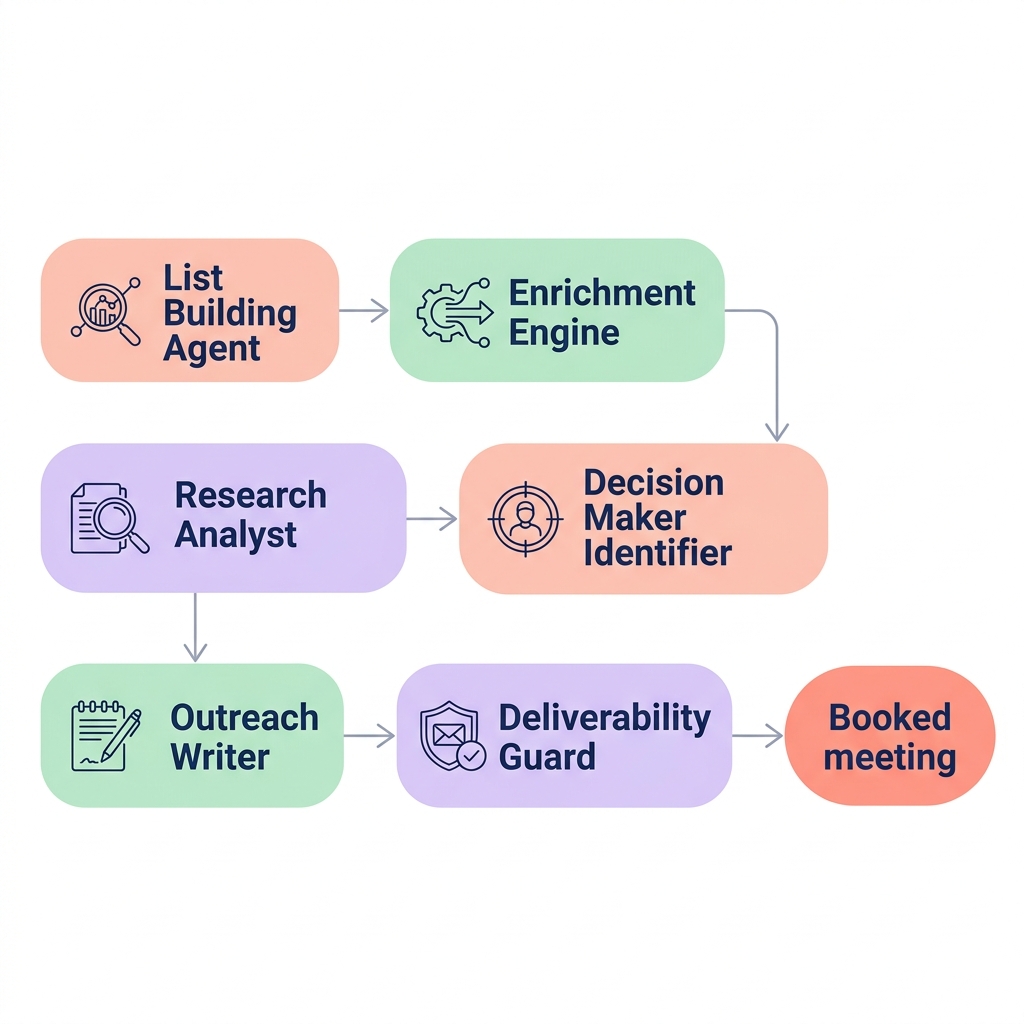
- A List Building Agent that sources high-intent targets from a database of over 1 billion professional profiles.
- An Enrichment Engine that adds deep firmographics, tech stack data, and revenue insights to every lead.
- A Research Analyst that identifies specific buying triggers, such as new funding or facility expansions.
- A Decision Maker Identifier that confirms you are reaching the person with actual purchasing authority.
- An Outreach Writer that drafts human-sounding messages in over 100 languages to help you enter new markets.
- A Deliverability Guard that monitors sender reputation and paces outreach to ensure messages land in the inbox.
Why manufacturers are rethinking their sales stack
Old-school manufacturing sales often rely on long cycles of 90 to 180 days. Using a manual database means your team is always playing catch-up with stale data or generic templates. By automating roughly 93% of the prospecting work, your team can focus exclusively on the final 7% – the actual sales conversations and technical consultations.
UK-based SaaS and manufacturing firms have reported a 25% reduction in sales cycles by switching from manual tools to autonomous agents. These teams no longer worry about seat costs or credit limits because the focus has shifted from “how many leads can we buy” to “how many meetings can we book.” You can see how this affects the bottom line by reviewing Sera’s pricing, which includes the data, the software, and the human supervision in one package.
Whether you need to scale your North American presence or break into the European market, the goal is to stop managing software and start growing revenue. You can even get 5 verified leads in just a few minutes to see the quality of AI-driven prospecting for yourself.
Instead of spending your budget on a database that requires more employees to manage, choose a system that delivers results on autopilot. Focus your energy on closing deals while our AI agents handle the research, deliverability, and outreach.