

Is your sales team losing 15 hours every week to manual prospecting and data entry? By 2026, manufacturing leaders are using autonomous agents like AISDR to handle the heavy lifting of outreach so their engineers can focus on closing technical deals.
What is AISDR and how does it drive industrial growth?
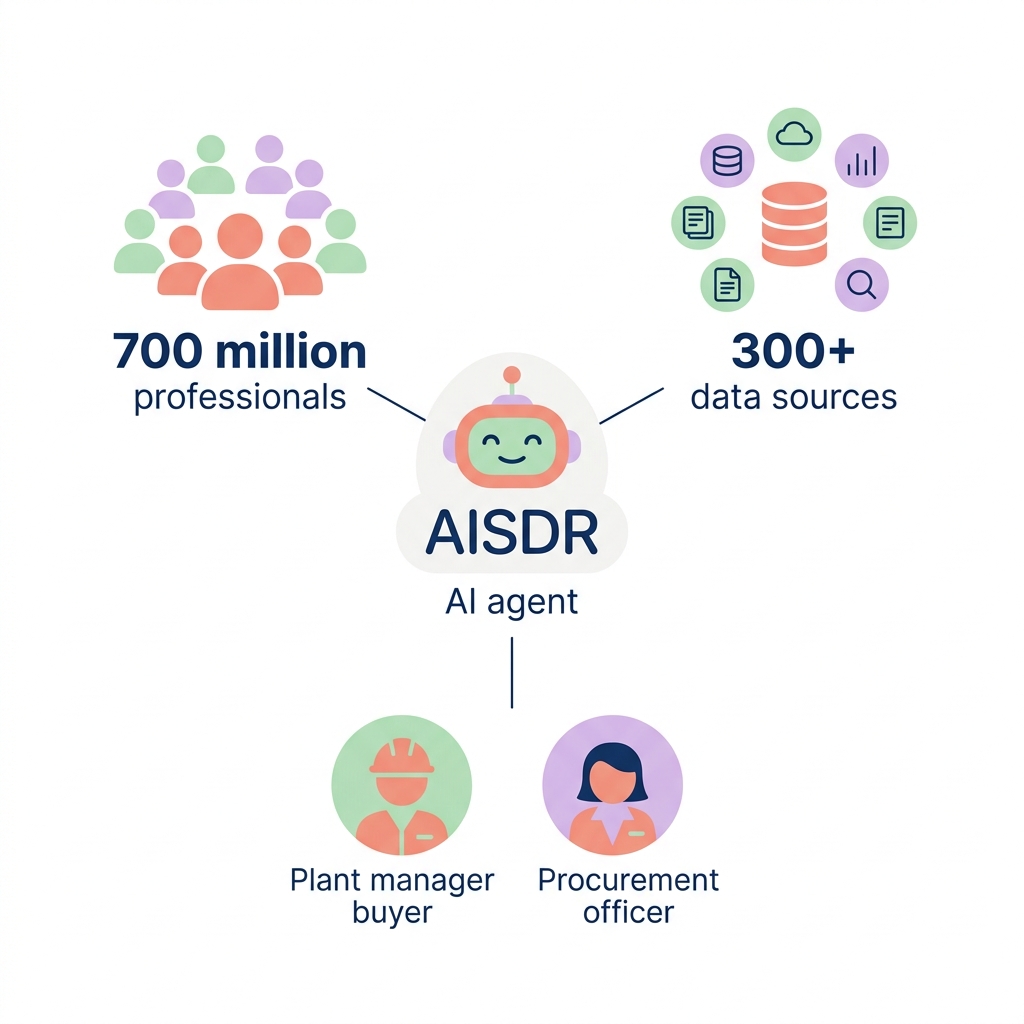
AISDR is a virtual sales development representative that automates the entire prospecting lifecycle, moving far beyond the simple email templates of the past. It functions as an autonomous agent that sources leads from a database of 700 million professionals and utilizes over 300 data sources to identify the right buyers. For a manufacturer, this means the system can autonomously find plant managers or procurement officers and initiate a conversation without a human ever clicking a button.
The platform is designed for speed, allowing you to deploy campaigns in as little as 24 hours. Because it operates 24/7, it prevents lead decay by ensuring that every inquiry receives a response immediately. This is particularly useful in the manufacturing sector, where technical questions often come in after hours or across different time zones. By using an AI for SDR platform, you can maintain a consistent presence in the market without hiring a massive around-the-clock sales team.
The 2026 shift from manual tools to autonomous agents
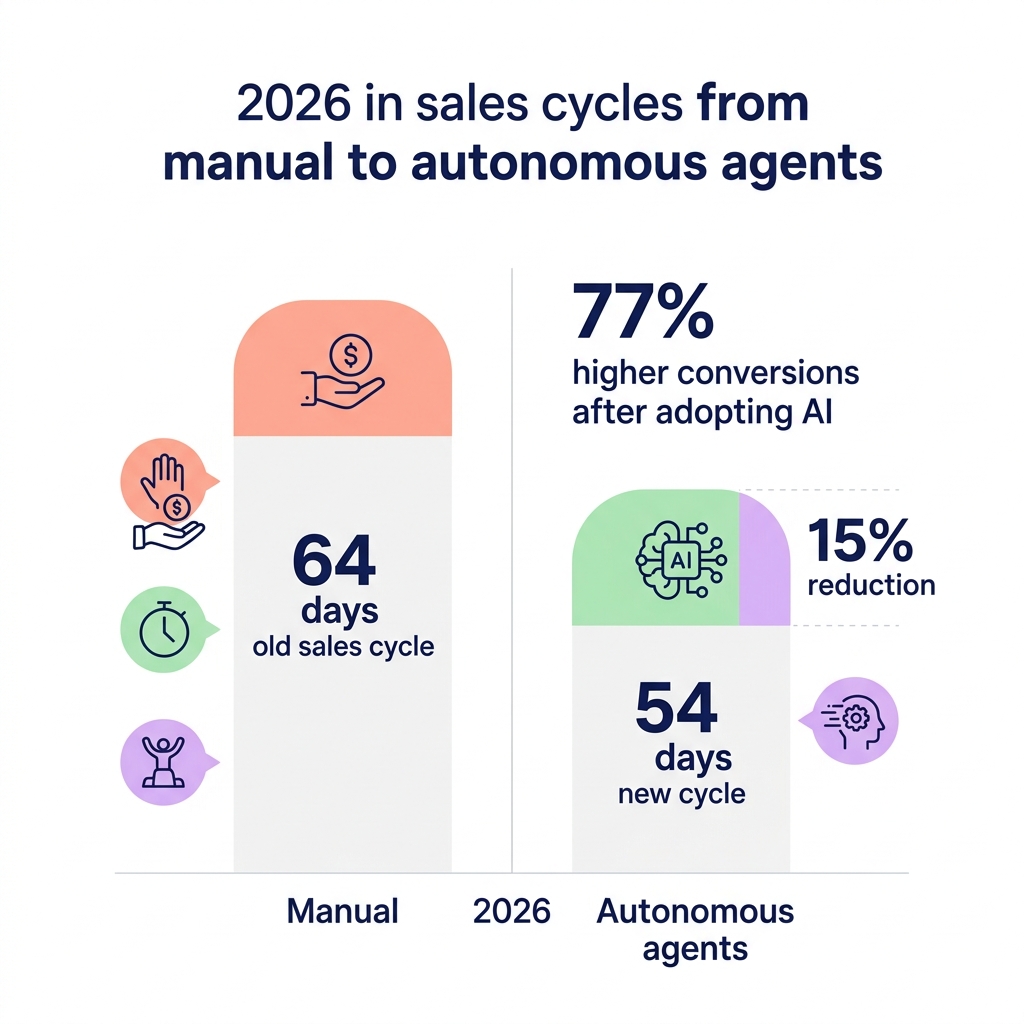
The landscape of B2B outreach has changed significantly, with 77% of sales teams reporting higher conversions after adopting AI. In the past, sales reps struggled with long cycles that often exceeded 64 days. Recent data shows that manufacturers using autonomous agents have successfully cut these cycles by 15%, often reducing the time from first contact to a signed contract down to 54 days. This efficiency stems from the agent’s ability to handle the “speed to first touch” much faster than any human could.
Speed is a massive competitive advantage in 2026. Leads contacted within 10 minutes are significantly more likely to convert, and AISDR achieves this by drafting personalized responses based on real-time research. This allows your team to achieve a much higher return on investment compared to traditional methods, as the cost per qualified opportunity drops while the volume of engagement increases.
Pricing and performance: what to expect from AISDR
Budgeting for autonomous outreach requires looking at outcomes rather than just seat licenses. The AISDR pricing 2026 model typically starts at $900 per month for their entry-level plan, which covers roughly 1,200 messages. For larger manufacturing firms with broader market goals, custom implementations can range between $3,000 and $5,000 per month. These plans often include dedicated support and integration with CRMs like HubSpot to ensure your data stays clean.
When you compare these costs to a traditional human SDR in the UK – who might cost between £60,000 and £110,000 annually – the financial benefits are clear. An autonomous agent can process over 1,000 leads simultaneously, a feat that would require a team of four or five humans. Most businesses adopting this technology report seeing a positive ROI within the first two to three months of operation.
Navigating the limitations for complex manufacturing
While autonomous agents are powerful, they are not without risks, especially for industrial companies with highly technical products. One common concern is the “black box” nature of some AI tools, where it is difficult to see the underlying logic used to draft a message. In manufacturing, using the wrong technical term or misunderstanding a specific production process can damage a hard-earned reputation. If the AI hallucinates a capability your factory doesn’t have, it can lead to awkward conversations during the sales handoff.
There is also the risk of volume-heavy outreach. Some tools prioritize sending thousands of emails, which can trigger modern spam filters and burn your domain reputation. If your technical proposals end up in a prospect’s spam folder, the entire automation effort becomes counterproductive. It is essential to balance high-volume capabilities with precision to ensure your messages actually land in the primary inbox.
Choosing between AISDR and Sera for your 2026 strategy
Deciding on the right partner depends on whether you prioritize mass volume or surgical precision. Other tools like the Artisan review 2026 suggest that fully autonomous “employees” are great for high-growth startups with broad markets. However, if you are selling high-value industrial solutions worth €10,000 or more, you may require a more supervised approach.
Sera provides a human-supervised AI Autopilot that utilizes six specialized agents to manage your outreach. This system ensures that while 93% of the labor is handled by AI, a human expert still oversees the quality to protect your brand voice.
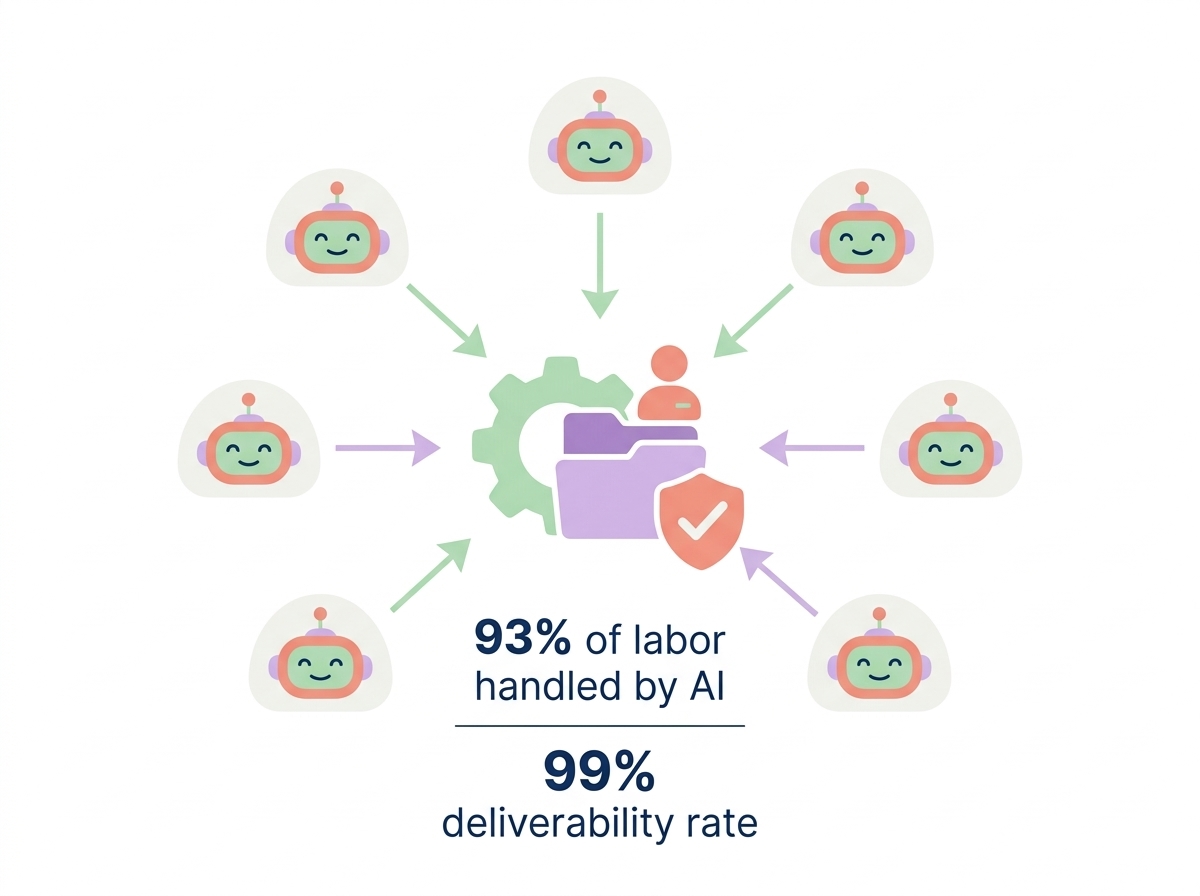
- The List Building Agent finds ultra-targeted companies that match your specific ideal customer profile.
- The Research Analyst identifies specific timing and relevance triggers, such as facility expansions.
- The Deliverability Guard monitors your sender reputation daily to maintain a 99% deliverability rate.
- The Outreach Writer crafts messages in over 100 languages, allowing you to expand into European markets with native-level fluency.
By moving away from manual software management and embracing autonomous agents, you can reclaim nearly 40% of your team’s time. Instead of managing tools, you can focus on the final meetings that actually drive revenue for your firm.
If you are ready to see how high-precision AI can fill your calendar with qualified meetings, explore how Sera’s agents can transform your outreach.