


In B2B manufacturing, complex requirements mean buyers want fast answers. If a prospect requests a technical consultation, the clock starts ticking immediately. Research shows that you are 21 times more likely to qualify a lead if you respond within five minutes compared to waiting just 30 minutes. Furthermore, your odds of successful contact are 100 times greater within that same five-minute window.
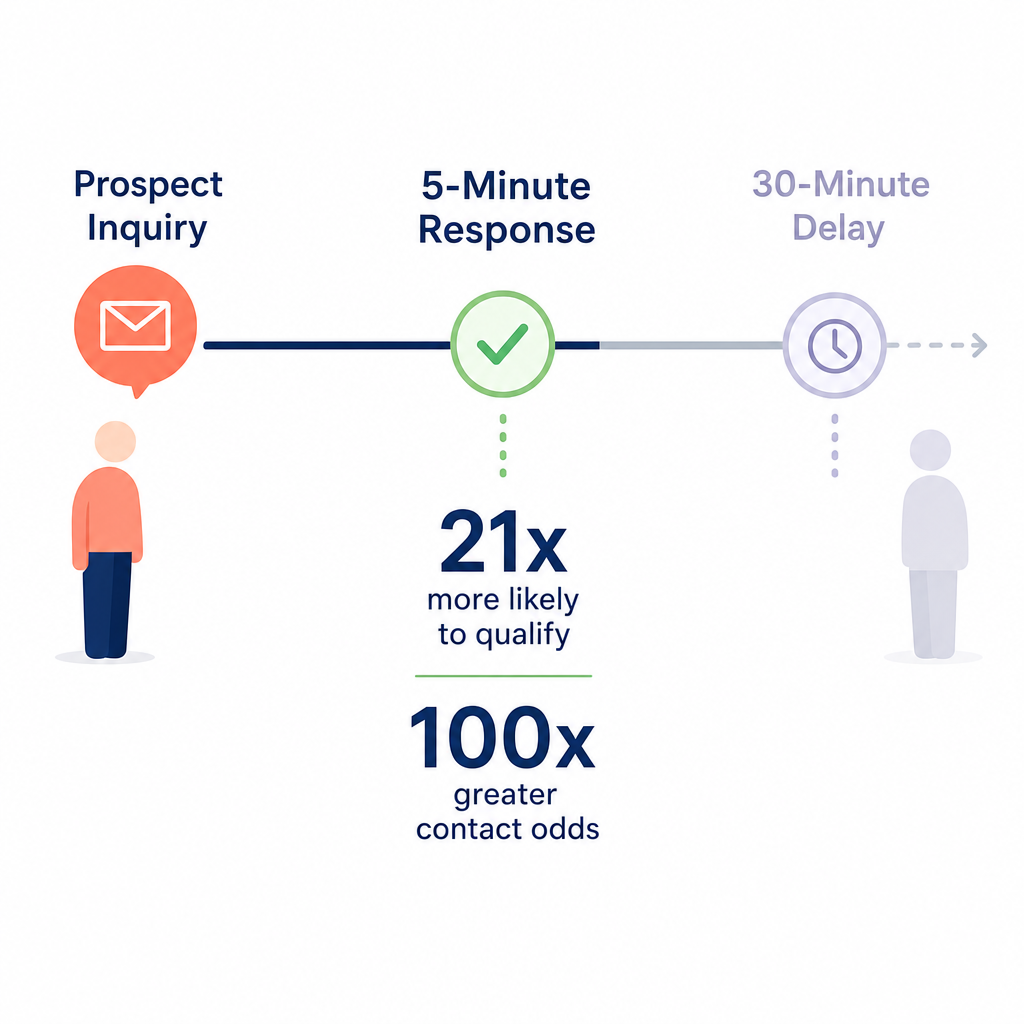
When dealing with international clients, traditional email back-and-forth completely destroys this response speed. By the time your sales representative manually calculates regional time differences and proposes open slots, the buyer’s focus has shifted to a local competitor.
Eliminating friction with automated scheduling
Self-scheduling software removes these key friction points. By empowering prospective buyers to book their own appointments directly from your emails or website, you drastically reduce your sales team’s administrative workload.
Implementing automated meeting scheduling to boost sales conversion helps you capture prospect interest at its absolute peak. Manufacturing businesses that utilize these automated workflows report an average 15% reduction in sales cycle duration. These systems also support behavior-triggered outreach. For instance, you can set up automated follow-up scheduling based on prospect behavior, such as when an industrial distributor repeatedly reviews your technical specifications page.
Solving the time zone puzzle for international buyers
For UK and European manufacturers targeting global markets, time zone misalignment carries a heavy hidden cost. It can delay communication by 24 to 48 hours, stalling your deal momentum and dragging out sales cycles. To explore this further, you can read about the impact of time zones on global sales strategies.
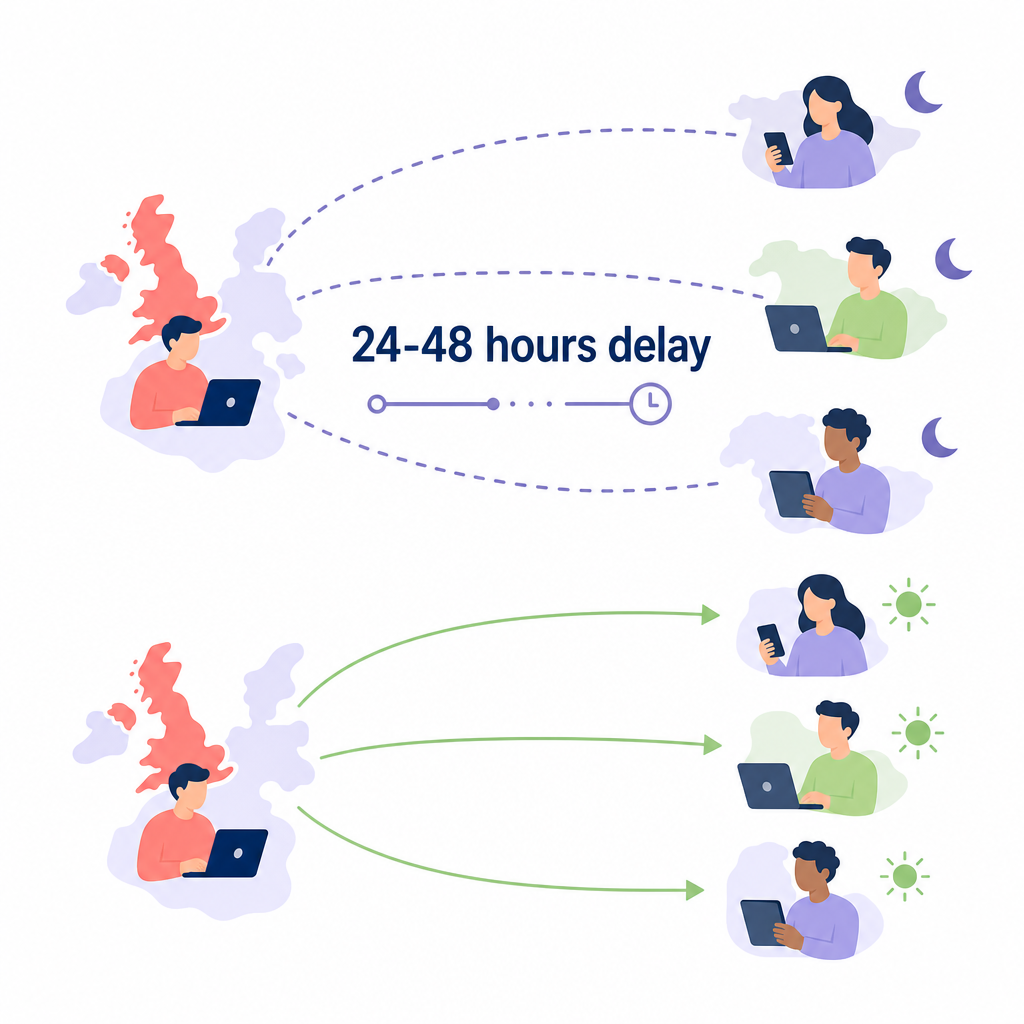
To bypass these delays, you must implement workflows that respect the prospect’s local hours. AI-driven scheduling tools automatically detect the prospect’s location and present availability in their local time. This prevents the friction of manual conversions and minimizes missed appointments.
There are several strategic techniques to handle these interactions:
- Leverage optimal timing windows: Contacting prospects between 4:00 PM and 5:00 PM their local time increases outreach success by 71%.
- Establish clear protocol guidelines: Always list time zones explicitly using GMT/UTC references when sending manual confirmations.
- Set up regional calendar segmentation: Dedicate specific mornings to APAC regions and afternoons to North American markets.
For a deeper dive into these strategies, check out our guide on scheduling meetings across time zones without confusion or delays.
Designing a frictionless booking workflow
An optimized sales workflow connects your communication channels, data systems, and team calendars into one unified ecosystem.
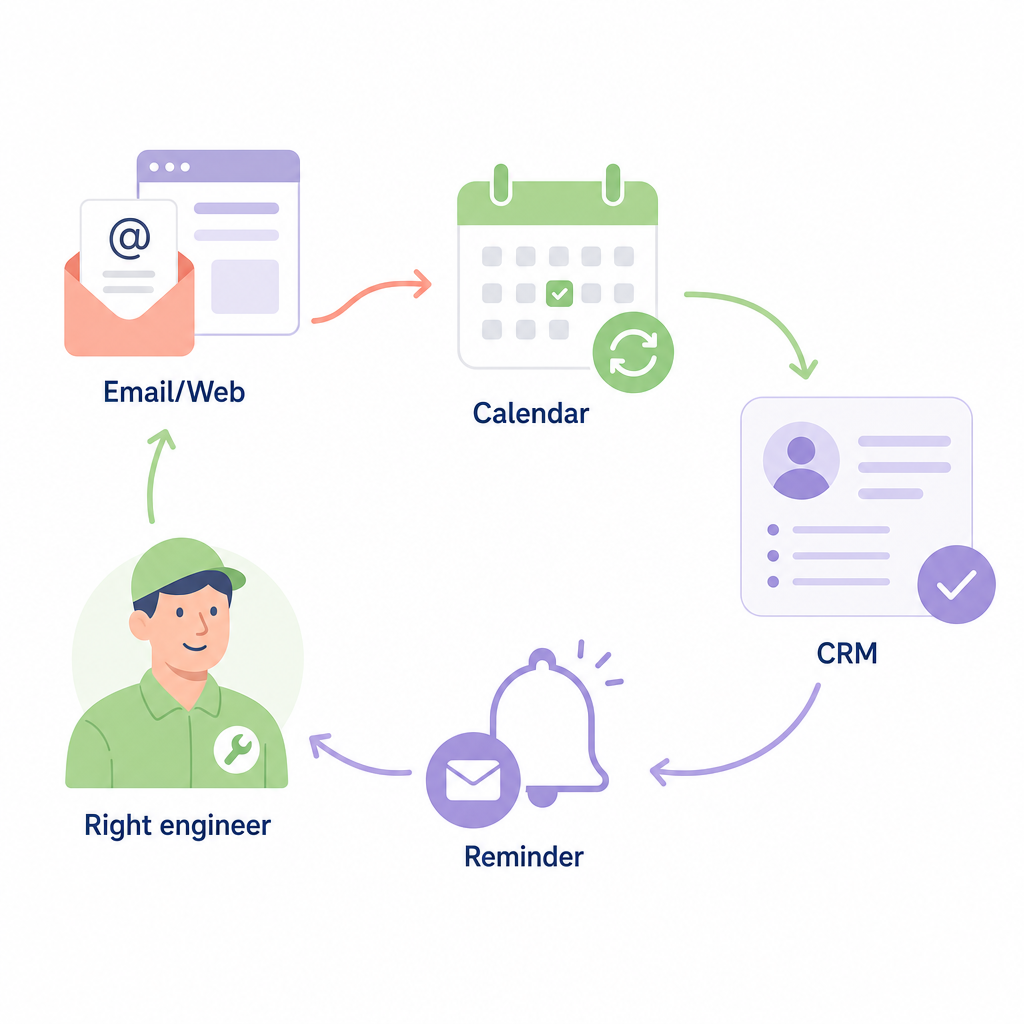
- Unified Calendar Integration: Link your booking software with Gmail or Outlook to ensure real-time synchronization. This prevents double bookings and manages buffers between meetings. Discover how to configure this with our guide on the seamless integration of meeting scheduling with email clients.
- Direct CRM Synchronization: Every booked meeting must log automatically to your central database. Tools that support LinkedIn CRM sync keep your records up to date without manual data entry.
- Automated Reminders and Confirmations: Send automated, localized reminders before the meeting. This reduces no-show rates, especially when buyers are managing shifts across different time zones.
- Autonomous Qualification and Routing: Advanced meeting scheduling software for sales teams can qualify leads, route them to the most suitable engineer, and complete the booking without any manual intervention.
Best practices for manufacturing executives
Transitioning to automated scheduling requires clear guidelines to ensure a premium experience for industrial buyers.
- Implement round-robin routing: Distribute inbound discovery calls fairly among your technical sales engineers based on specialized expertise, language capabilities, and regional coverage.
- Use tailored meeting durations: Offer tiered booking options, such as a quick 15-minute introductory alignment or a 45-minute deep-dive blueprint review.
- Maintain strict GDPR compliance: Collect only the essential contact details required to schedule the call, and include clear, transparent opt-in consent checkboxes on your booking pages.
Scale your pipeline with intelligent automation
Managing global manufacturing accounts requires a proactive approach to pipeline generation. Modern sales teams are moving away from bloated, manual outreach and adopting highly targeted, automated workflows.
Over 39 manufacturers, including Viking Window, trust B2B manufacturing use cases powered by intelligent outreach systems to open deals in new regions. Instead of forcing your sales reps to spend hours building lists and chasing down calendar invites, you can put your entire front-end pipeline on autopilot.
By deploying specialized AI agents, you can automate lead verification, enrichment, and personalized email outreach. These systems work in the background 24/7, engaging decision-makers globally and securing booked meetings directly on your sales team’s calendars.
Relying on manual back-and-forth emails to schedule meetings with global buyers is costing your manufacturing business valuable contracts. Automating your scheduling and time-zone routing lets your technical experts focus on what they do best: building relationships and closing high-value deals.
Ready to eliminate scheduling friction and fill your sales pipeline with qualified opportunities? Explore how Sera’s AI-driven outreach autopilot can transform your global B2B outreach and keep your calendar fully booked.